


Shop Floor KPIs: Measuring Success
Posted on 07/08/24


Overview
These measurements help understand shop floor health and make decisions to improve productivity and cut costs. This guide will help you understand important shop floor KPIs. It includes clear definitions and real examples. The goal is to assist you in effectively managing your production team.
Shop Floor KPIs are important in manufacturing because they help measure how well different processes are working. They enable operations managers to identify areas for improvement, track progress over time, and make data-driven decisions.
Metrics such as employee productivity, inventory levels, and rework rates, manufacturers can help pinpoint inefficiencies and implement strategies to address them. Additionally, KPIs help in setting benchmarks and performance targets, fostering a culture of continuous improvement. Simply put, tracking KPIs are essential for manufacturers to increase efficiency, cut costs, and improve how well production runs.
Defining Shop Floor Efficiency
Shop floor efficiency refers to the optimal performance of production processes within a manufacturing facility. It encompasses various factors, from labor usage to machinery and materials to producing goods without unnecessary waste or delays.
Efficiency on the shop floor is not just about speeding up production but also about maintaining high-quality standards and minimizing costs. When operations run efficiently, they utilize resources to their fullest potential, leading to increased productivity and profitability.
Key metrics that often define shop floor efficiency are as follows:
- cycle time
- lead time
- overall equipment effectiveness (OEE)
Types of Shop Floor KPIs
Production team effectiveness evaluates how well the shop floor workforce achieves production targets, upholds quality, and uses resources efficiently. Effective teams stand out by working well together, adapting to changes, and delivering top-quality products promptly, with minimal rework.
To gauge team effectiveness, key indicators include employee productivity, absence rates, and task completion times. Quality and efficiency are also reflected in first-pass yield and rework rates. Operations managers can pinpoint training needs, reward top performers, and devise plans to overcome weaknesses using these valuable measurements.
Enhancing team performance boosts shop floor efficacy, cuts costs, and increases productivity. This is crucial for keeping a competitive edge in manufacturing and securing the company’s success over time.
Shop Floor KPIs: Employee Output Metrics
Worker Productivity
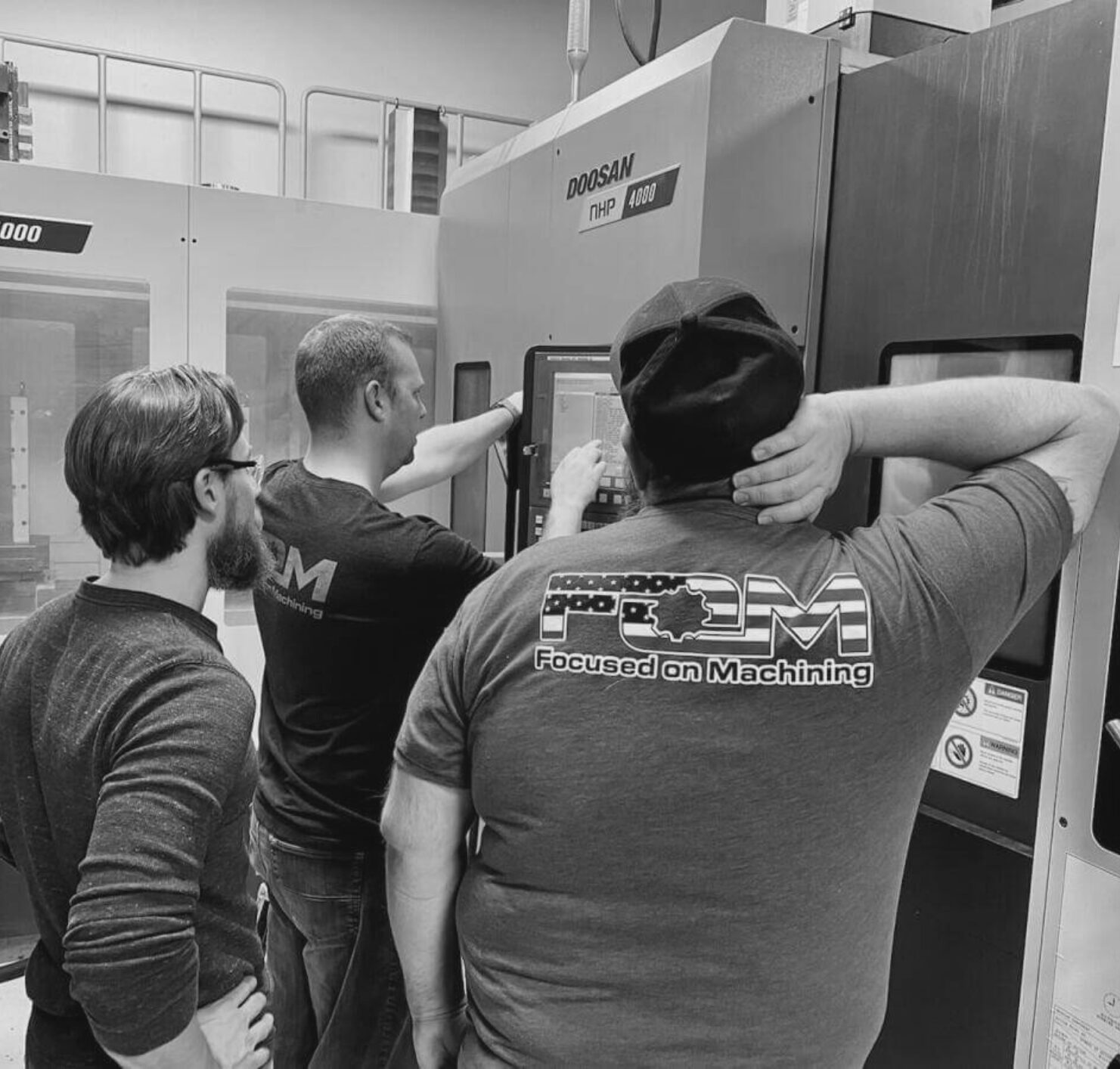
To measure productivity, common metrics include output per hour, units produced per shift, and task completion rates. Other indicators, like overall equipment effectiveness (OEE), evaluate the efficient use of machinery and tools.
Operations managers can use these metrics to spot high performers, pinpoint inefficiencies, and develop precise training programs.
Labor Utilization
Tracking labor utilization involves measuring the extent to which the workforce is being effectively used during production processes. Labor utilization represents the measure of whether employees are fully engaged in productive activities or if there are periods of downtime that need to be addressed. Labor utilization can be calculated by dividing the actual hours worked by the total available hours, then multiplying by 100 to get a percentage.
High labor utilization indicates that the workforce is being used efficiently, while low utilization may signal issues such as bottlenecks, insufficient tasks, or overstaffing.

Downtime Causes
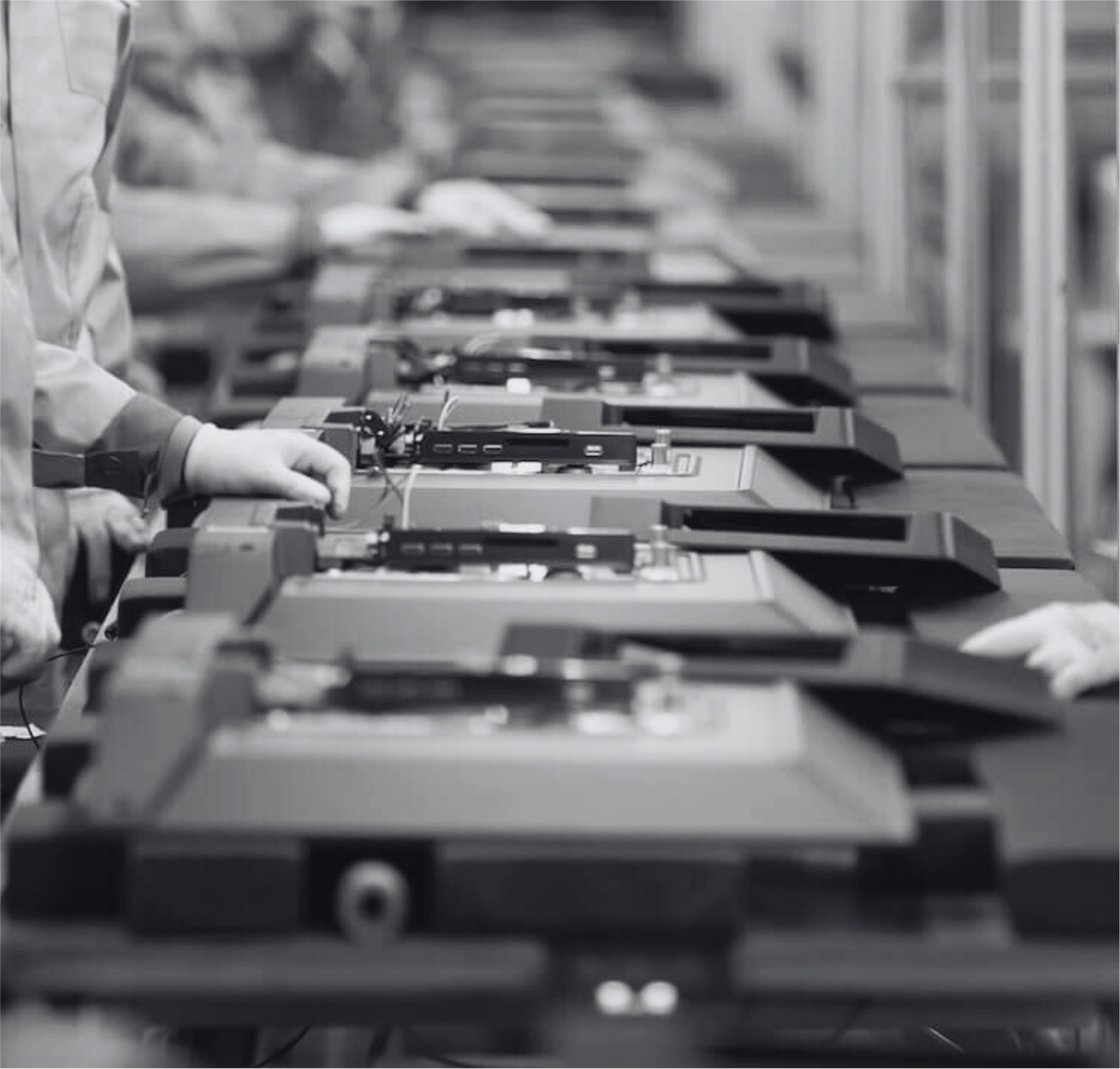
Downtime refers to periods when production is halted due to equipment failures, maintenance, material shortages, or workforce issues.
To identify root cause of downtime, shop floors should be collecting data on the frequency, duration, and reasons for these interruptions.
For instance, frequent equipment breakdowns may indicate the need for better maintenance practices or machinery upgrades. Similarly, material shortages might point to inefficiencies in inventory management or supply chain disruptions.
Shop Floor KPIs: Overhead and Operational Costs
Overhead Expenses
Overhead includes indirect costs such as utilities, rent, administrative salaries, and equipment depreciation. To effectively analyze overhead expenses, operations managers need to categorize and track these costs regularly. This involves breaking down expenses into specific categories and comparing them against budgeted amounts. Identifying trends and variances in overhead expenses can highlight areas where cost-saving measures can be implemented.
For example, high energy costs might suggest the need for investing in more energy-efficient equipment or optimizing usage patterns.


Fixed and Variable Costs
Fixed costs, such as rent, salaries, and insurance, remain constant regardless of production levels.
Variable costs, including raw materials, labor, and utilities, fluctuate with production volume. To reduce fixed costs, consider negotiating better lease terms, optimizing staff levels, and implementing energy-saving measures. For variable costs, focus on improving material usage, streamlining labor processes, and enhancing production efficiency.
Shop Floor KPIs: Quality and Rework Metrics
Defect Rates
Defect rates quantify the percentage of products that do not meet quality specifications and need rework or scrapping. Calculate defect rates by dividing the number of defective units by the total units produced and multiply by 100.
Regular tracking allows for early identification of quality issues, enabling prompt corrective actions. High defect rates can signal issues like equipment malfunctions, poor material quality, or inadequate training. Lower defect rates boost customer satisfaction, reduce rework costs, and minimize waste, thereby enhancing shop floor efficiency.
Rework Costs
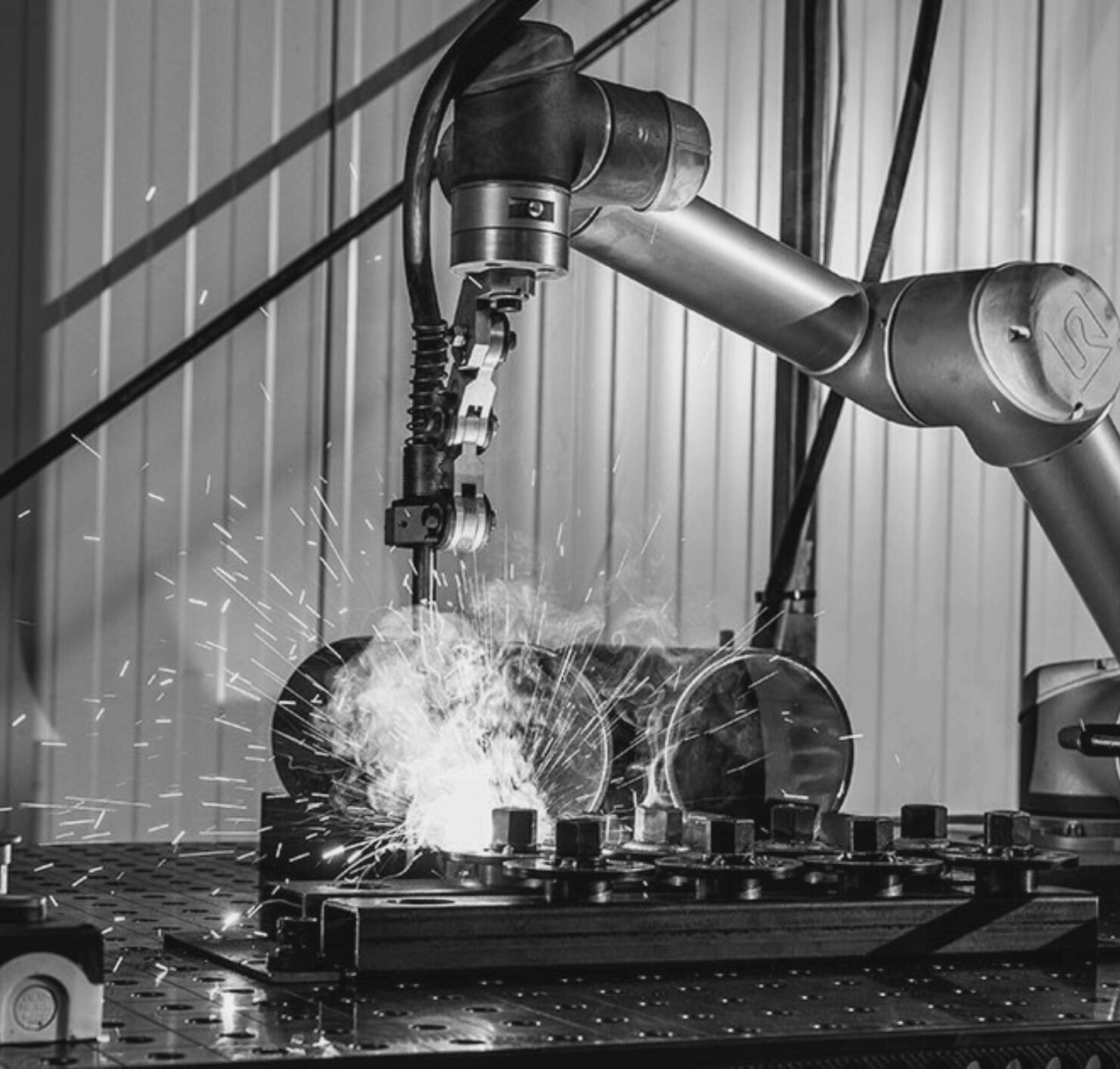
Rework costs cover labor, materials, and overhead expenses to fix defects in products. To measure these costs, add up all expenses related to reworking defective items over a set period. This includes direct labor costs, additional materials used, and any overhead costs.
High rework costs often signal inefficiencies in production, poor-quality materials, or insufficient training.
Product Quality
High-quality products meet customer expectations, reduce returns, and boost brand reputation. Key steps include setting clear quality standards, regular inspections, and using statistical process control (SPC). Training employees on quality requirements, utilizing quality management systems (QMS), and conducting regular audits are also vital. By maintaining a focus on quality, manufacturers can reduce defects, minimize rework costs, and improve shop floor efficiency, leading to better customer satisfaction and long-term success.

Continuous improvement strategies involve regularly checking and improving production processes to cut waste, lower costs, and boost product quality. One effective method is the Plan-Do-Check-Act (PDCA) cycle, which involves testing and adjusting processes in stages. Lean manufacturing principles, such as5S and Kaizen, help create a clean and organized workspace and promote small, ongoing changes for improvement.
Another method is Six Sigma, which uses data to find and fix defects in production. Getting employees at all levels involved in continuous improvement encourages a culture of innovation and responsibility. Regular training programs ensure that workers have the skills needed to make improvements. By adopting continuous improvement strategies, operations managers can consistently improve shop floor efficiency, product quality, and overall performance, leading to greater customer satisfaction and business success.

