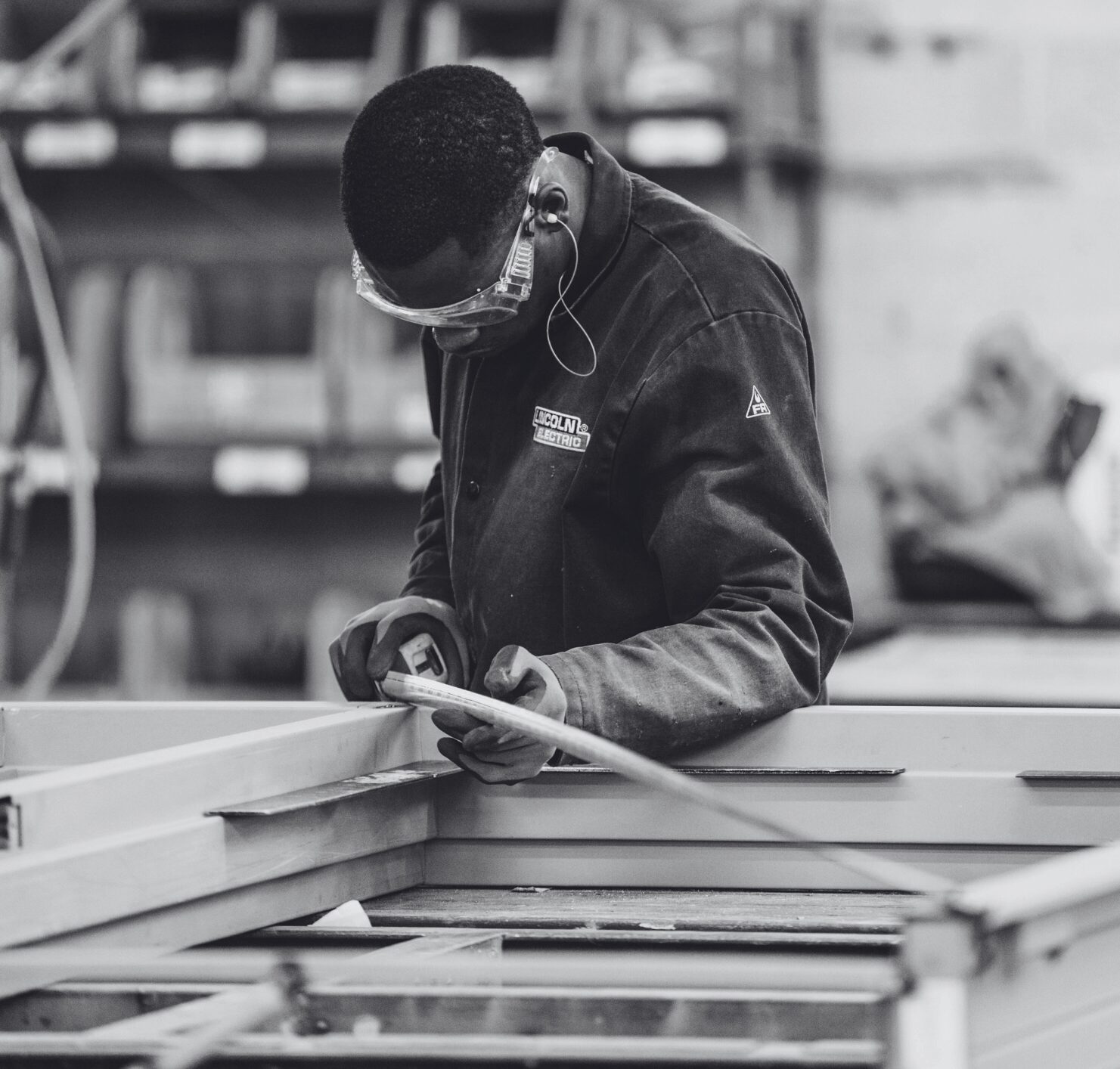
Embracing Trade Skills: Generation Z in the Manufacturing Industry
Posted on 03/25/24



Generation Z is redefining the paradigm of post-secondary education that has been predominant for the past forty years, pivoting noticeably towards the acquisition of trade skills as opposed to the conventional route of college education.
Research shows a growing interest in pursuing careers in trade, with more than 80% acknowledging the benefits of a skilled trade, such as a flexible schedule, faster educational path, lower educational costs, and independence. Most notably, a substantial portion of Gen Z maintains a strong belief that AI will not replace skilled trade positions, signaling their conviction in the security and longevity of these roles. This inclination towards trades has profound implications for the manufacturing sector, where labor shortages pose challenges. Manufacturers should take note of this trend and leverage the enthusiasm of Generation Z towards trade skills to address the industry’s labor needs effectively.
A Shift Towards Trade Skills
It’s hardly shocking that Generation Z’s manufacturing interest is gravitating towards trade professions, considering the escalating costs of higher education and the growing sentiment that an investment in college may not yield a worthwhile return in the future. This shift is far from a mere passing fad—it represents a deliberate and strategic reaction to the transforming landscape of employment opportunities. Many in this generation are seeking careers that offer tangible outcomes and a clear sense of purpose. They value practical skills that can be applied directly to the workplace, which trade jobs often offer.
Financial pragmatism plays a significant role in Generation Z’s gravitation towards trades. Aware of the substantial financial stress that student loan debt has inflicted on previous generations, numerous young people are eager to avoid the same outcome at all costs. Even more, the allure of job stability in the trades sector has become a powerful motivator. Skilled trade roles are in increasing demand across various industries—a trend expected to persist as the existing labor pool moves toward retirement.
Skilled Jobs Over Desk Jobs: A Gen Z Perspective
The preference for skilled trades over desk jobs among Gen Z is rooted in their desire for autonomy and hands-on work. Many in this generation see skilled jobs as an opportunity to work independently and take pride in craftsmanship. These jobs often offer a level of physical engagement and problem-solving that desk jobs may lack. Additionally, the path to skilled trades typically involves apprenticeships or vocational training, which provide immediate, real-world experience, and oftentimes come with a paycheck. This hands-on learning is highly valued by Gen Z, who often seek to enter the workforce quickly and without the burden of college debt. The potential for entrepreneurship in skilled trades is another factor driving interest. Many trade careers provide the foundational skills necessary to start a personal business, further enhancing the appeal to the entrepreneurial spirit of this generation.
Gen Z’s Position on AI
Generation Z’s confidence in the resilience of trade jobs against AI is significant. They understand that while artificial intelligence is transforming many sectors, the unique human elements of skilled trades—such as critical thinking, creativity, and craftsmanship—are difficult to replicate with machines. Gen Z recognizes the role of technology as a tool to enhance productivity rather than a replacement for human labor. As digital natives who have grown up with technology in all realms of their lives, their digital fluency allows them to interact seamlessly with new technologies, positioning them as ideal candidates to work alongside AI.
This generation anticipates a future where AI could generate more jobs by creating demand for new skill sets. They are optimistic about their ability to adapt and grow within industries that incorporate AI, viewing the advancement not as a threat but as an opportunity to enhance their trade and secure their place in the future workforce.
Generation Z’s Manufacturing Focus: What It Means for the Industry
Emerging trends, such as Generation Z’s manufacturing interest, significantly impact manufacturing businesses. This shift comes at a pivotal time when manufacturers are facing a labor shortage and dwindling talent pool. By understanding Gen Z’s values and career motivations, manufacturers can tailor their recruitment and training programs to attract this new workforce. Gen Z’s digital savviness and their comfort with technology will drive innovation within the manufacturing sector, making businesses more competitive and efficient. Their preference for meaningful work and career security aligns with the needs of the manufacturing industry, which requires a dedicated and skilled workforce. Manufacturers can tap into these trends, to not only bridge the labor gap, but also foster a work environment that encourages long-term growth and employee retention.
Why Manufacturers Need to Ride the Gen Z Wave
Manufacturers must recognize and leverage Generation Z’s unique characteristics to address pressing industry challenges. Gen Z’s enthusiasm for trade skills, combined with their tech-savviness, can significantly contribute to modernizing manufacturing practices, leading to sustainable business growth. Their preference for innovation and sustainability can push manufacturers to adopt greener technologies and processes, which is increasingly important to stay competitive.
Gen Z workers are likely to be loyal to companies that offer clear career progression, continual learning opportunities, and a culture that aligns with their values. Manufacturers can secure a pipeline of talent that is prepared to carry the industry forward by engaging and welcoming Gen Z in the coming years. Riding the Gen Z wave means manufacturers will not only fill the skills gap but will also be investing in the future of their businesses.
From College Path to Trade Path: A Necessary Transition
The transition from a college-oriented mindset to one that values trade paths is essential for the sustainability of the manufacturing industry. As the sector evolves, the demand for skilled labor that can navigate both traditional manufacturing techniques and advanced technologies continues to grow. Manufacturers should outreach and educational sponsorship efforts to reflect this new reality.
Through supporting vocational training and apprenticeship programs, companies can facilitate the entry of Generation Z into the manufacturing workforce which only helps fill the current skills gap but also ensures a steady flow of workers who are equipped with the necessary hands-on experience and technical knowledge. For manufacturers, this transition isn’t just about adapting to workforce changes; it’s about actively shaping a future that aligns with the industry’s growth and the aspirations of the next generation.
Key Takeaways
- Generation Z’s gravitation towards the trades has been shaped by the escalating costs of higher education, the allure of job stability, and the opportunities for tangible outcomes.
- Gen Z’s digital fluency, combined with their optimism towards AI, positions this generation to be valuable assets within a technologically evolving work landscape. They are confident in the resilience of trade jobs against AI, and they perceive technological advancements as tools for enhancement rather than threats.
- The shift towards trade skills comes at a critical time for manufacturing industries facing labor deficits, emphasizing the importance of tailoring recruitment and onboarding strategies to this generation’s preferences.
Use Docket to Recruit Generation Z
Discover how our our platform can revolutionize your manufacturing operations. Let Docket be your catalyst for change, empowering you to build great products and inspire your workers.