


Lean Manufacturing Principles in 2024
Posted on 03/27/24
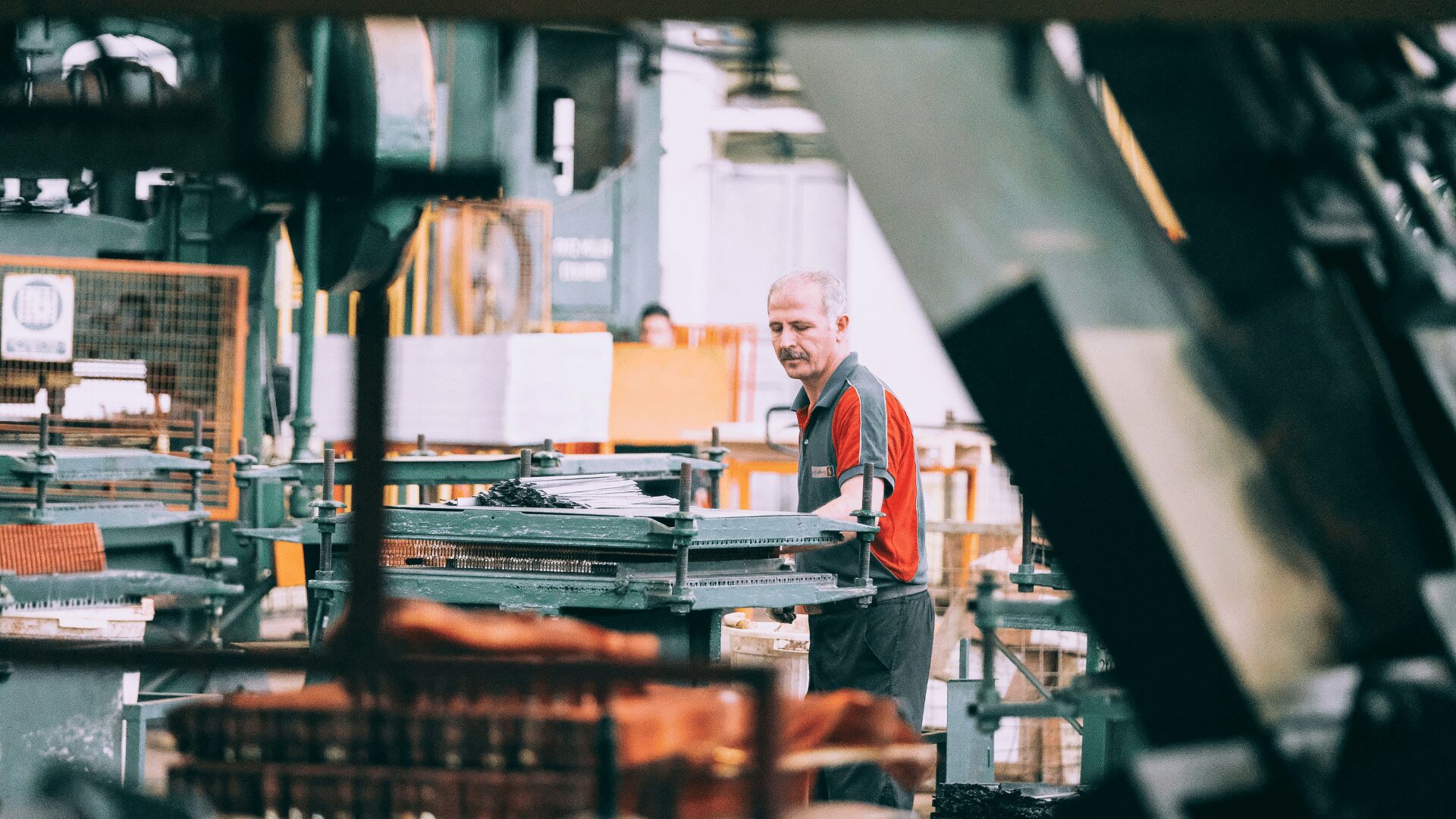


Understanding the history of lean manufacturing offers important insights into today’s high-tech factory solutions. Lean thinking has grown over time, shaping ways of working that adapt easily to current manufacturing needs.
Elevating Shop Floor Efficiency Through Lean Principles
Born out of Toyota’s production methods from the 1900s, lean manufacturing is all about boosting efficiency. It focuses on cutting out waste, making processes better, and constantly striving to improve. We’ll take a closer look at how lean practices have evolved over time and the role they play in enhancing efficiency. We’ll focus on it’s positive implications for measuring performance, removing paper-based tracking systems, and handling frequent staffing changes.
The Emergence and Significance of Lean Manufacturing
Toyota’s Production System, developed by Taiichi Ohno and Eiji Toyoda in the post-World War II era, marks the beginning of lean manufacturing. They designed the system to eliminate waste and enhance productivity in a time of scarce resources. Years prior, Henry Ford had created a new concept of the typical assembly line. He focused on making parts uniform and standard processes. Toyota used his work to make their production optimized and reduce waste.
Contemporary Applications of Lean Manufacturing
Lean manufacturing gained traction in Western factories primarily in the latter half of the 20th century. The study of Toyota’s efficiency encouraged this shift, leading to the publication of “The Machine That Changed the World.” It detailed how Toyota’s strategies reduced the seven core wastes in manufacturing: excessive handling, inventory gluts, superfluous motion, delays, overproduction, unnecessary processing, and errors.
Data analytics and the Internet of Things (IoT) advancements continue to propel lean manufacturing philosophies into a modern context. New technologies, such as Docket, work to reduce waste and provide factory workers with immediate critical data access, digital technology enables swift, informed decision-making.
The Synergy of Lean Manufacturing and Digital Technology
In a realm where manual, paper-centric processes and fragmented SOPs reign, the principles of lean manufacturing are instrumental to achieving operational excellence. Management can escalate workflow issues by pinpointing and removing process inefficiencies, covering everything from surplus activities to overproduction and flawed output.
Innovative tech solutions like Docket actively reinforce and advance the principles of lean manufacturing with digital tools, making traditional paper-based methods a thing of the past. These solutions streamline SOP communications an inventory management with digital logging capabilities and sophisticated workflow templates. In addition, real-time reporting and analytics actively seek out and correct waste. Moreover, business leaders can address business challenges like labor turnover, scheduling conflicts, and client dissatisfaction.
Utilizing Lean Principles to Boost Operational Efficiency
Refining and perfecting processes allows businesses to dramatically reduce lead times and adapt to consumer demands. Advanced software solutions for shop floor management support these changes, offering easy-to-use drag-and-drop workflow interfaces and comprehensive digital work instructions.
Sophisticated solutions like Docket provide shop floor managers with clear oversight of manufacturing pipelines via customizable dashboards, improving the speed and quality of decision-making. Time tracking precision and barcode scanning streamline inventory management and cut down on unnecessary processes.
Fostering a Harmonious Workforce with Lean Methodologies
Lean manufacturing fosters a team-oriented and dynamic work environment. By involving employees in continuous improvement efforts, it cultivates a culture that thrives on collaboration and innovation. Implementing lean principles often leads to significant enhancements in production practices and increases in employee satisfaction.
Docket enhances teamwork and ensures everyone can take part through technologies that connect workers. Tools like real-time language translation and digital work guidelines overcome communication hurdles, actively involving team members in lean processes, regardless of their language abilities or experience. These improvements not only make operations run smoothly but also reduce staff turnover by creating a culture of satisfaction and growth. As a result, digital platforms like Docket are crucial in developing a skilled, dedicated, and hard-working workforce, placing lean manufacturing at the heart of this effort.
Pioneering Lean Manufacturing Innovation with Docket
Docket simplifies the integration of efficient SOPs with its tailored process builders and workflow templates, accelerating the adoption of lean practices. The platform’s auditing tools, reports, and analytics give users a comprehensive view of continuous improvement, a core concept of lean philosophy. With its user-friendly interface and instant access to essential data, Docket seamlessly connects traditional manufacturing with modern practices, driving the industry forward through relentless innovation and accuracy.
Key Insights
- Lean manufacturing originated in the postwar era out of a pressing need for managing scarce resources.
- Its ideology revolves around identifying and eliminating seven primary wastes (TIMWOOD).
- The benefits of lean manufacturing are threefold: elevated quality, accelerated production, and reduced operational costs.
Adopt Lean Manufacturing Methodologies
Discover how our our platform can revolutionize your manufacturing operations. Let Docket be your catalyst for change, empowering you to build great products and inspire your workers.


